
Understanding Gambling Basics A Beginner's Guide to Playing Smart
What is Gambling?
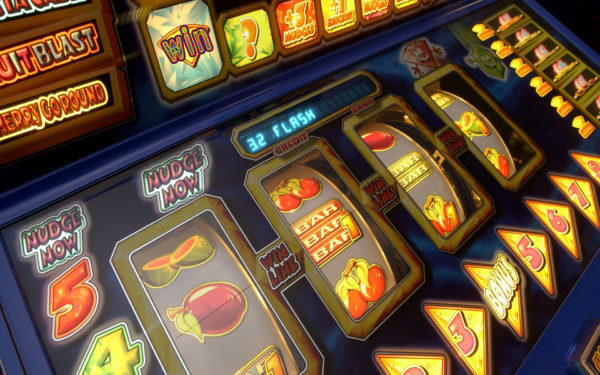
Gambling is the act of risking money or valuables on an event with an uncertain outcome, typically involving games of chance or skill. It encompasses various activities, from traditional casino games such as poker and blackjack to modern online betting platforms. Understanding the nature of gambling is crucial for any beginner, as it sets the foundation for informed decision-making and responsible play. For those looking for entertainment on the go, Best Mobile Slots can offer a great experience.

The allure of gambling often lies in the thrill of potential winnings and the excitement of the game itself. However, it’s essential to recognize that the odds are usually stacked in favor of the house, meaning long-term losses are more likely than wins. Awareness of this can help beginners approach gambling with a realistic mindset and avoid common pitfalls.
The Importance of Bankroll Management
Bankroll management is a critical aspect of gambling that beginners must understand to play smart. It involves setting a budget for your gambling activities and sticking to it, regardless of wins or losses. By determining how much money you can afford to lose without affecting your daily life, you can enjoy gambling without significant financial stress.
Establishing clear limits for each gambling session helps control impulsive behavior. Consider dividing your bankroll into smaller units for individual games or bets. This strategy not only prolongs your gaming experience but also allows you to engage more thoughtfully with each wager, reducing the risk of reckless spending.
Understanding Odds and Probabilities
Knowing how odds and probabilities work is essential for any gambler. Odds represent the likelihood of an event occurring, while probabilities indicate how often it is expected to occur over time. Different games and bets come with varying odds, and beginners should familiarize themselves with these to make informed choices.
For instance, in games like roulette, the odds vary depending on the type of bet placed. Understanding these differences enables players to strategize effectively and choose bets that align with their risk tolerance. By grasping the concepts of odds and probabilities, beginners can enhance their chances of making smart decisions and ultimately enjoying the gaming experience more fully.
Responsible Gambling Practices
Responsible gambling is a fundamental principle that all beginners should adopt. It emphasizes playing within one’s means, recognizing the signs of problematic gambling, and knowing when to walk away. Setting limits on time and money spent can foster a healthier relationship with gambling.
Additionally, it is important to remain aware of the signs of addiction, such as chasing losses or gambling to escape other issues. If you find gambling negatively impacting your life, seeking help from professionals or support groups can be a beneficial step. Responsible gambling not only protects your financial health but also ensures that the activity remains enjoyable and entertaining.
About This Guide
This guide serves as a comprehensive introduction to the essentials of gambling for beginners. By focusing on the fundamentals, such as understanding the nature of gambling, the importance of bankroll management, and the significance of responsible practices, it equips new players with the knowledge to make informed decisions.
As you explore the world of gambling, remember that it should primarily be a source of fun and entertainment. With the right mindset and strategies in place, you can navigate the gaming landscape wisely and responsibly, ultimately enhancing your overall experience.

Leave a Comment
Your email address will not be published. Required fields are marked *